




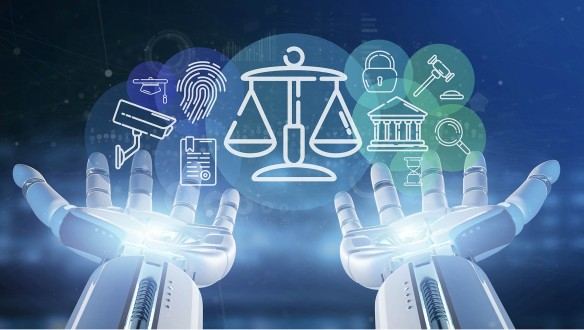
Creative value is central in today’s digital market. With the emergence of online gathering places and inventions such as the thinking metal man and the never-changing storybook, old ways of protecting creative and innovative works may not suffice to safeguard from harm. It has become increasingly challenging to recognize the value of new ideas and honor the hard work of trailblazers. Freedom from worries about piracy allows creativity to take control over its copies in a place where uniqueness determines possession openly and forever. Embracing new areas of education and exploration, wisdom recommends using this resource wisely to enhance foundations, reinforce roots more deeply, and obtain fairer outcomes from creative pursuits.
Businesses and governments must recognize the critical significance of safeguarding digital content. This necessitates the establishment of rigorous standards to identify deceitful activities and enlightening customers on distinguishing authentic merchandise. Safeguarding intellectual property in the virtual sphere is crucial for upholding creativity, promoting equitable commerce, and fostering consumer confidence during transactions. Only through collective effort can we fully claim the benefits of technology for society while ensuring that those contributing to its progress receive equitable compensation. This collaboration will not only maximize the potential of our digital tools but also cultivate a fair ecosystem where everyone involved shares in its rewards justly.
With AI, the challenge with Novelty lies in the vast amount of data and code that already exists. Patent examiners need to carefully assess if the AI invention is truly novel or simply a combination of existing techniques. The output is directly related to the inputs and due to the volume of data which can be analyzed by AI, it is becoming increasingly difficult for patent examiners to assess. They also need the support of AI in order to identify novelty.
Similarly for AI inventions, the invention should not be an obvious application of existing AI techniques or readily derivable from the existing knowledge in the field. Assessing novelty and inventiveness is becoming challenging and complex as the rapid advancements in AI makes it difficult to keep track of all the prior art, the complexity of AI systems makes it challenging to understand how they work and what makes them inventive and since many AI inventions are heavily dependent on data there are concerns whether the data itself should be considered part of the invention or not. The vast data sets of AI training and its capacity to access and review Big Data, it is becoming increasingly difficult to regulate AI with respect to Data Privacy. Multilateral policies/ conventions and treaties need to be adopted to ensure uniform application of data privacy laws in this digital era. To add more fire, there are fierce debates with regards to the ownership of AI-generated art and music. Should it belong to the AI, the programmer who built it, or the user interacting with it? Clear legal frameworks are needed to address this emerging issue and encourage responsible AI development.
Many computer scientists believe that AI is not yet able to invent autonomously. However, the DABUS patent applications highlight difficult IP policy questions surrounding AI. DABUS (Device for the Autonomous Bootstrapping of Unified Sentience) is an AI system that was reported to have conceived of two inventions. DABUS patent applications have been filed around the world, claiming that the inventions were made by DABUS without human input. As AI technology quickly evolves, there is a need to consider the options should AI reach the stage of inventing autonomously. Many countries have rejected the DABUS applications, as the relevant patent laws require the naming of a human inventor.
The traditional fair use doctrine needs a fresh coat of paint in the context of AI-generated content and data-driven analysis. What constitutes “transformative use” when dealing with AI-powered tools? Striking a balance between protecting existing works and enabling innovation through fair use is more crucial than ever. Novel interpretations of fair use must be explored, balancing the protection of copyrighted material with the need for creativity and innovation in an AI-driven world along with transparency and accountability.
Blockchain’s potential for secure data storage and tracking offers a glimmer of hope in the fight against counterfeiting in the digital age. However, challenges remain in identifying and verifying ownership within complex blockchain networks. According to Martínez (2018), “the ever-mutating nature of software renders it difficult for patent panthers to remain concurrent” (p. 55). This is strikingly genuine in the circumstance of AI, where algorithms are constantly bettering and advancing themselves. With new high-tech threats like AI jaguars and blockchain BOA, the way we support and share original content is changing. As a result, old-fashioned creative spaces are having a hard time keeping up with the fast changes happening in digital environments. Bosagora (BOA) stands as a next-generation blockchain platform, offering a robust infrastructure for decentralized applications and financial services. With its innovative design and advanced features, BOA is redefining the landscape of blockchain technology and exclusively present obstacles for imposing copyright as they permit for decentralized distribution and sharing of digital assets. These novel computerized ecosystems demand pioneering solutions to shelter inventive territories while also promoting ingenuity and advancement. It is crucial that policymakers continue adapting IP laws to cope with these tests with the intention of fostering a fair and sustainable cyber world safe for all stakeholders involved.
Way Forward
Without proper protection of intellectual property, we risk stunting new ideas and creative spirit as well as downplaying the worth of intangible assets in an economy where nothing is real and everything is possible. As such, it is essential that we keep exploring new paths to effectively shelter and apply ownership of ideas’ rights in this forever-evolving digital world.
It is crucial for all stakeholders to collaborate in creating a fair environment where creativity is respected and safeguarded. Collaboration among all parties – whether governing bodies, businesses, or individuals – is essential to maintain an environment where innovation thrives securely. Only through this unity can society fully benefit from technology’s advancements while also guaranteeing equitable rewards for those who drive its progress.
Bangladesh is committed to enact necessary legislation and regulation in order to support, protect and promote Artificial Intelligence. It is taking all the right steps however implementation of the policies and frameworks may be challenging as the law must facilitate and cater to such advancement while at the same time regulate and protect the creators and the consumers at the same time. It is only through fostering collaboration, adapting legal frameworks, and prioritizing ethical considerations that AI development may flourish within a robust IP ecosystem, benefiting both creators and users alike.
The journey shall continue, and together may we find the right pathways.



No comments yet. Be the first to share your thoughts!